Source Modern Leather Jewelry Box for Gifts, Storage, and Collection
Find 30 options for a modern leather jewelry box designed for arts and crafts, gifts, and storage. Buyers can compare customization, materials like velvet and cow leather, and packaging details from suppliers in Shenzhen and China.
Key considerations
Products List




Comprehensive Sourcing Guide
Modern Leather Jewelry Box Sourcing Guide
Sourcing modern leather jewelry boxes requires a nuanced understanding of material authenticity, structural integrity, and aesthetic versatility. The market offers a diverse range of options, from genuine cow leather to synthetic alternatives like PU leather and velvet, each serving distinct brand positioning and budget constraints. Buyers must navigate a landscape where "leather" can refer to full-grain hides, bonded leather, or high-quality synthetic materials, necessitating clear specification definitions to avoid misalignment between supplier quotes and final product expectations. The observed product range indicates a strong emphasis on customization, with many suppliers offering logo printing and OEM/ODM services to meet specific branding needs.
This guide focuses on the procurement of modern leather jewelry boxes, drawing on observed listing signals and trusted category knowledge to provide actionable advice. The current market data suggests a wide price variance, reflecting differences in material quality, hardware complexity, and order volumes. By understanding the technical specifications, compliance requirements, and commercial terms associated with these products, buyers can make informed decisions that balance cost efficiency with quality assurance. The following sections detail the critical factors to consider during the sourcing process, ensuring that the final product meets both functional and aesthetic standards.
Product Scope and Observed Listing Signals
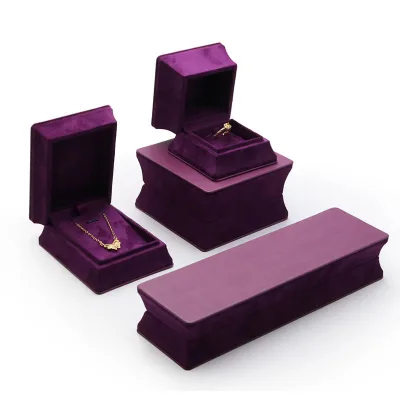
The observed product listings reveal a significant diversity in materials and designs, highlighting the importance of precise specification in procurement. Products range from imitation leather boxes to those made from genuine cow leather, velvet, and even wood, indicating that the term "leather jewelry box" often encompasses a broader category of premium packaging solutions. Key attributes such as shape (round, rectangle), open way (pull-out, open), and style (simple) are frequently cited, allowing buyers to tailor the product to specific use cases like arts and crafts, gifts, or hotel amenities. The presence of customization options, including logo printing and design for specific industries like hotels, underscores the flexibility available in the modern supply chain.
Price and minimum order quantity (MOQ) signals further illustrate the market's segmentation. Observed prices range from low-cost items to premium offerings, with MOQs varying from as low as 2 pieces to 1000 pieces, catering to both small-scale startups and large-volume retailers. This variability suggests that buyers can negotiate terms based on their volume commitments, with lower MOQs often commanding higher unit prices. Additionally, the mention of specific models and standards, such as "HDX22118" or "Hotel standard," provides a reference point for quality and design consistency, although buyers should verify these against their own internal standards. The availability of independent packaging and logistics transportation options also indicates a mature supply chain capable of handling diverse shipping requirements.
Technical Specifications to Verify
Verifying material composition is the first critical step in ensuring product quality. Buyers must distinguish between genuine leather, such as cow leather, and synthetic alternatives like PU leather or velvet, as these materials have different durability, aesthetic, and cost profiles. The observed data includes specific material types, but suppliers may use generic terms, so requesting physical samples or detailed material certificates is essential. Additionally, the hardware used in the boxes, such as metal accessories, should be inspected for quality, finish, and functionality, as these components significantly impact the user experience and perceived value of the product.
Structural and dimensional specifications also require careful attention. The observed listings mention various sizes, from medium to specific dimensions like "H 6cm Width 6cm," highlighting the need for precise measurements to ensure the boxes fit the intended jewelry items. Buyers should verify the internal layout, including the number and type of compartments, to ensure adequate storage and protection for different types of jewelry. Furthermore, the open way, whether pull-out or simple open, affects the usability and presentation of the jewelry, so this feature should be aligned with the brand's aesthetic and functional requirements. Packaging details, such as carton pack or box packaging, should also be confirmed to ensure safe transportation and storage.
Compliance and Safety Documentation
While specific certifications like FSC are mentioned in the background data, buyers should not assume that all suppliers are certified without verification. It is crucial to request relevant compliance documents, such as material safety data sheets (MSDS) or chemical compliance reports, to ensure that the leather and other materials used do not contain harmful substances like heavy metals or toxic dyes. This is particularly important for products intended for the European market, where REACH regulations apply, or for the US market, where CPSIA standards may be relevant for children's products, although jewelry boxes are generally not classified as children's products.
Environmental and sustainability claims should also be scrutinized. If a supplier claims their leather is eco-friendly or sourced from sustainable farms, buyers should request supporting documentation, such as leather working council (LWC) certification or other recognized environmental standards. This is not only a compliance issue but also a brand reputation factor, as consumers are increasingly conscious of the environmental impact of their purchases. Buyers should also verify that the supplier adheres to labor standards and ethical sourcing practices, which can be assessed through social compliance audits or certifications like SA8000.
Cost Drivers and Commercial Terms
The cost of modern leather jewelry boxes is influenced by several factors, including material quality, customization complexity, and order volume. Genuine leather and high-quality hardware will naturally command higher prices than synthetic materials and basic fittings. Customization, such as logo printing, embossing, or unique design features, adds to the production cost and may require additional setup fees. Buyers should request detailed cost breakdowns to understand how these factors impact the final price and to identify areas where cost savings can be achieved without compromising quality.
Commercial terms, including payment terms, shipping methods, and lead times, are also critical components of the procurement process. The observed listings mention various shipping options, such as DHL, UPS, FedEx, and EMS, indicating that buyers have flexibility in choosing their logistics provider. However, buyers should negotiate clear terms regarding who bears the cost of shipping and insurance, as well as the responsibilities for customs clearance. Payment terms, such as EXW (Ex Works) or FOB (Free on Board), should be agreed upon upfront to avoid disputes, and buyers should ensure that the supplier accepts their preferred payment method, whether it be T/T, L/C, or PayPal.
Supplier Qualification and Quality Control
Supplier qualification is a vital step in mitigating procurement risks. Buyers should conduct thorough due diligence on potential suppliers, including verifying their business licenses, production capabilities, and quality management systems. Requesting references from existing clients and conducting factory audits, either in person or through third-party inspection agencies, can provide valuable insights into the supplier's reliability and operational efficiency. The observed data mentions suppliers from Shenzhen and China, regions known for their manufacturing prowess, but buyers should still verify the specific supplier's track record and reputation.
Quality control measures should be established before production begins. This includes defining clear quality standards, such as acceptable defect rates, material specifications, and packaging requirements. Buyers should also agree on inspection protocols, such as pre-production samples, during-production checks, and pre-shipment inspections, to ensure that the final product meets the agreed-upon standards. The observed listings mention "High Quality with Factory Prices," but buyers should not take this at face value and should instead rely on their own quality control processes to verify the product's quality.
Long-Term Procurement Checks
Building a long-term relationship with a reliable supplier requires ongoing monitoring and evaluation. Buyers should regularly review supplier performance metrics, such as on-time delivery rates, product quality consistency, and responsiveness to issues. Establishing a feedback loop with the supplier can help identify areas for improvement and foster a collaborative partnership. The observed data mentions OEM/ODM services, which can be leveraged for continuous product innovation and customization, but buyers should ensure that the supplier remains committed to quality and innovation over time.
Market trends and consumer preferences are constantly evolving, so buyers should stay informed about changes in the jewelry packaging industry. This includes monitoring new materials, design trends, and sustainability initiatives that may impact product development and sourcing strategies. By maintaining a proactive approach to procurement, buyers can adapt to market changes and ensure that their jewelry boxes remain competitive and appealing to their target audience. The observed listings show a variety of styles and materials, indicating that there is always room for innovation and differentiation in the market.
FAQs
What customization options are available for these jewelry boxes?
Customization is available for these leather jewelry boxes, allowing buyers to tailor designs to specific needs. The products support logo printing and can be customized for various uses including arts, crafts, and gifts. Buyers should verify specific requirements with the supplier before ordering.
Which materials are used to make these jewelry boxes?
These boxes are crafted from materials such as imitation leather, velvet, cow leather, and wood. Some models also feature metal accessories. The specific material depends on the product model selected, with options ranging from simple PU leather to high-quality cow leather.
How can I order samples or small quantities of these boxes?
You can order small quantities starting from an MOQ of 2 pieces for some models. Other models may require a minimum order of 50 or 500 pieces depending on the specific design and customization level. Shipping is available via DHL, UPS, FedEx, or EMS.
What are the standard dimensions for these leather jewelry boxes?
Standard dimensions vary by model, with some specifications listing a width of 6cm. Other models are categorized as medium size or have specific shapes like round or rectangle. Buyers should check the product model number for exact size details before purchasing.
Can these boxes be used for storing electronic products or cosmetics?
Yes, these boxes are designed for multiple uses including storage of electronic products, cosmetics, and health care items. They are also suitable for packing, collection, and as gifts. The versatile design supports various industries beyond just jewelry storage.
Where are these jewelry boxes manufactured and shipped from?
These products originate from Shenzhen, China, and are generally shipped from China. Logistics transportation includes independent packaging for safety. Buyers can expect shipping via major carriers like DHL, UPS, FedEx, or EMS for international delivery.
What is the typical weight range for these jewelry boxes?
The weight of these boxes typically ranges from 0.5 to 1 kg. This weight ensures durability while remaining manageable for shipping and handling. The exact weight may vary slightly depending on the specific material and size of the selected model.